
Camera glasses and the statutory privacy tort: short answers to common questions
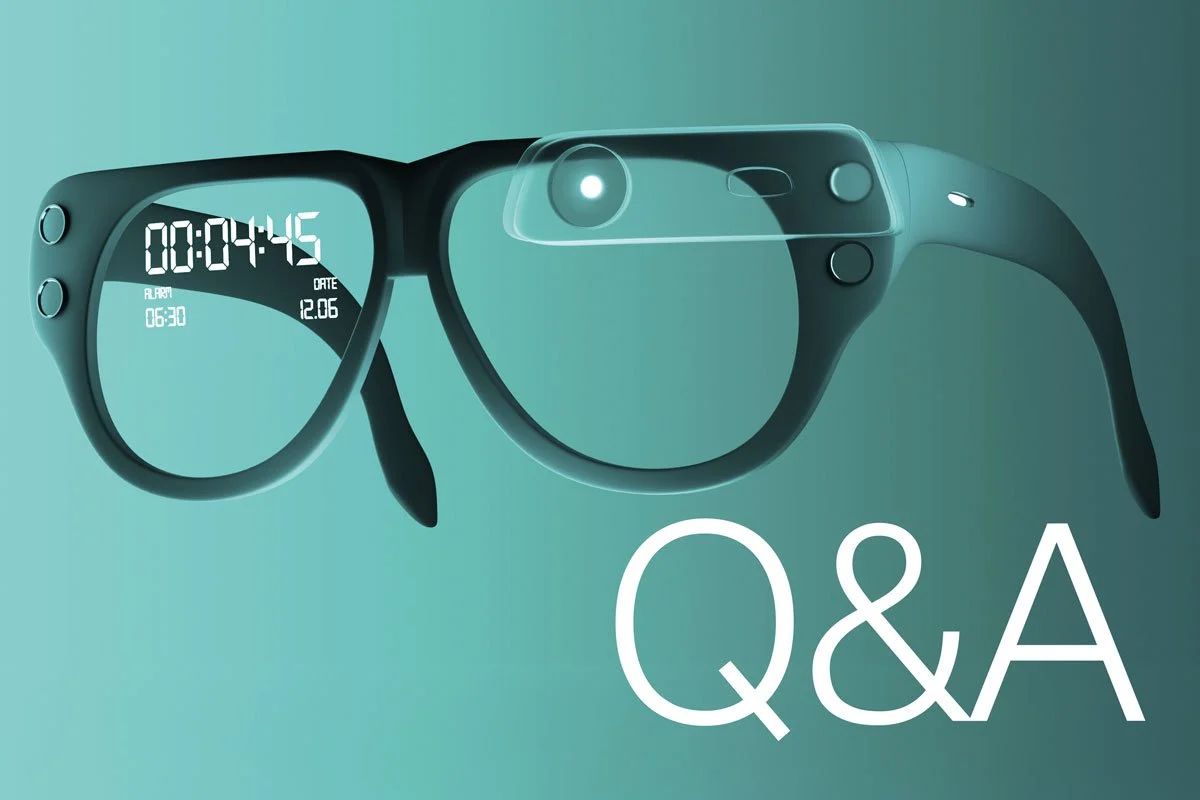
Law & Cyber’s previous article on camera glasses and the statutory tort of serious invasion of privacy drew a large volume of comment. The same questions came up repeatedly, and the short answers are set out below. More detailed discussion concerning the elements of the tort, the remedies available, the time limits and the exposure organisations carry are dealt with in full in the original article.
These answers are general information about the law as it stands. They are not legal advice and are not a substitute for advice on a particular set of facts.
Does the new law make it unlawful to film people in public places?
No. Australia has never recognised a general right not to be photographed in public, and the statutory tort did not create one. A claim under the statutory tort requires several elements to be established together, including a reasonable expectation of privacy in the circumstances, conduct that was intentional or reckless, and an invasion that was serious. Ordinary street photography that does not target a particular person is unlikely to meet that test.
What does “serious” mean, and is it a low bar?
It is not a low bar, and that appears to be deliberate. The test is objective. It looks at the offence, distress or harm to dignity that the invasion was likely to cause a person of ordinary sensibilities in the same position, rather than at how upset a particular individual happened to be. Annoyance at appearing in the background of someone else’s footage is unlikely to qualify. The court also has an express power to enter judgment for a defendant where a claim has no reasonable prospect of success.
What is the difference between being incidentally captured and being singled out?
This distinction is likely to decide most cases, and it is a question of fact and degree. Location is only one of the factors weighed. Others include the technology used, the purpose of the filming, the age of the person filmed and that person’s own conduct. Someone who appears briefly in the background of footage of a landmark is incidental to the scene. Someone who is deliberately framed, held in shot and later published has been selected, and is far more likely to have a claim.
How are camera glasses different from CCTV, a dash cam or a phone?
CCTV is fixed and usually signposted. It watches a place rather than a person, and it is generally operated by an organisation with obligations under the Australian Privacy Principles about how footage is collected, held, accessed and destroyed. The occupier can be identified and held accountable for how any footage is used.
A dash cam is mobile, but it is mounted, points where the vehicle points and cannot follow anyone. The vehicle carries a number plate.
A phone is mobile and person-operated, but raising it is a visible act. That gesture is the notice mechanism people actually rely on, and it is what makes objecting, moving away or agreeing possible.
Camera glasses combine every one of the missing features at once. They are mobile, silent, worn at face height, aimed at whoever the wearer happens to look at, operated by an individual carrying no obligations under the Privacy Act, and effectively anonymous in a crowd. Nothing signals when recording starts or stops.
Under the statutory tort, the means used, expressly including the use of any device or technology, is one of the matters a court considers.
Is filming someone without their permission a criminal offence?
Generally not, although several criminal laws can apply depending on the circumstances, including surveillance devices legislation, stalking and intimidation provisions, and image-based abuse offences. The statutory tort is separate. It is a civil action, which means the person affected can sue in their own name rather than waiting for police or a regulator to act. A single incident can attract both a prosecution and a civil claim in a serious case.
Why can recording a person’s voice be an offence when filming them often is not?
In Australia, audio and video are regulated differently. Listening device provisions generally turn on whether a private conversation was recorded. Optical surveillance provisions are usually tied to private activities, and often to premises or trespass, so filming in open public areas frequently falls outside them. The detail varies between states and territories. Camera glasses capture both streams at once by default.
What can a person do if they are filmed and the footage is misused?
Litigation is not the only route and is rarely the fastest. The eSafety Commissioner has powers to compel the removal of image-based abuse and adult cyber abuse material. Where the conduct may amount to a surveillance devices or stalking offence, it can be reported to police who have extensive powers to investigate. The statutory tort sits alongside those avenues, and a court can order material to be destroyed as well as awarding damages.
Will anyone actually sue?
Claims are likely to remain uncommon relative to the volume of recording that occurs. A person who wants to sue has to identify the wearer, obtain evidence, act within short time limits and accept costs exposure. The practical difficulty of bringing a claim may prove the main constraint. That said, publication, sharing and monetisation of footage tend to leave a digital footprint.
What is the position when the person filmed is a child?
Age is expressly relevant both to whether there was a reasonable expectation of privacy and to whether an invasion was serious. Time limits also run differently. Where the person was under 18 when the invasion occurred, proceedings can generally be brought up to their twenty-first birthday. One point cuts the other way though. The tort does not apply to a defendant who is under 18, which matters at Kmart’s $89 price point.
Does a recording light mean the person filmed has consented?
Consent, including implied consent, is a defence to a claim under the statutory tort, and wearers will argue that a person who saw the indicator and carried on regardless consented by implication. No Australian law requires these devices to carry a recording indicator, and no Australian court has yet considered what weight one carries. The argument is untested.
Can an employer or an occupier restrict these devices?
Generally, yes. Employers can regulate what staff wear and where, through a personal recording devices policy and ordinary lawful and reasonable directions. Occupiers can regulate what visitors bring in, through conditions of entry, membership terms and signage. Organisations may also carry exposure of their own where employees misuse these devices at work, including under the positive duty in the Sex Discrimination Act 1984 (Cth).
That exposure, including the position on vicarious liability and whether insurance responds, is dealt with in the article.
Should these devices simply be banned?
A prohibition on sale or use is a policy question for Parliament and will not be resolved quickly. In the meantime, other mechanisms outlined above already operate. Occupiers can consider excluding the devices from their premises, employers can consider prohibiting them at work, and venues and event organisers can make their exclusion a condition of entry.
For the full analysis
The article sets out the elements of the tort clause by clause, the damages and other remedies available, the time limits, what the reported discovery of facial recognition software in Meta’s companion application means for these devices, and the exposure organisations carry for what their people record. Read the article.
About Law & Cyber
Law & Cyber advises Australian organisations on privacy, technology and cyber risk, and prepares personal recording device policies, multi-jurisdictional exposure assessments, positive duty reviews and board briefings.
Simone Herbert-Lowe, Principal, Law & Cyber. This article is general information only and does not constitute legal advice. If